
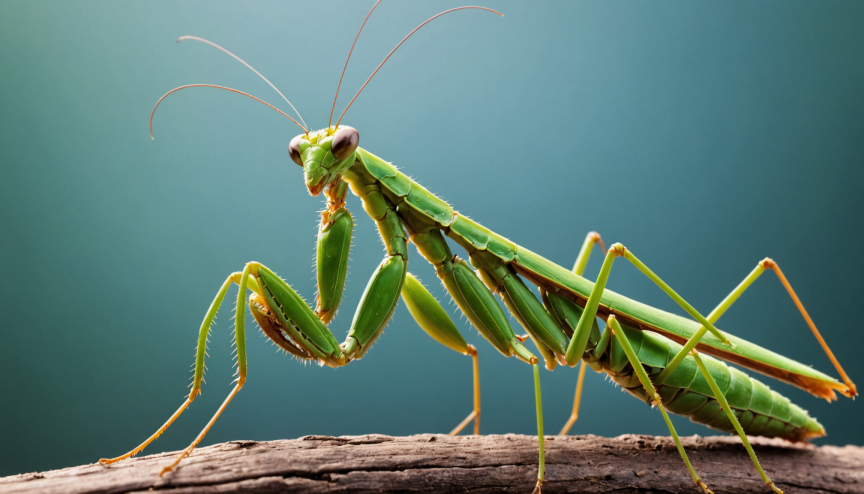
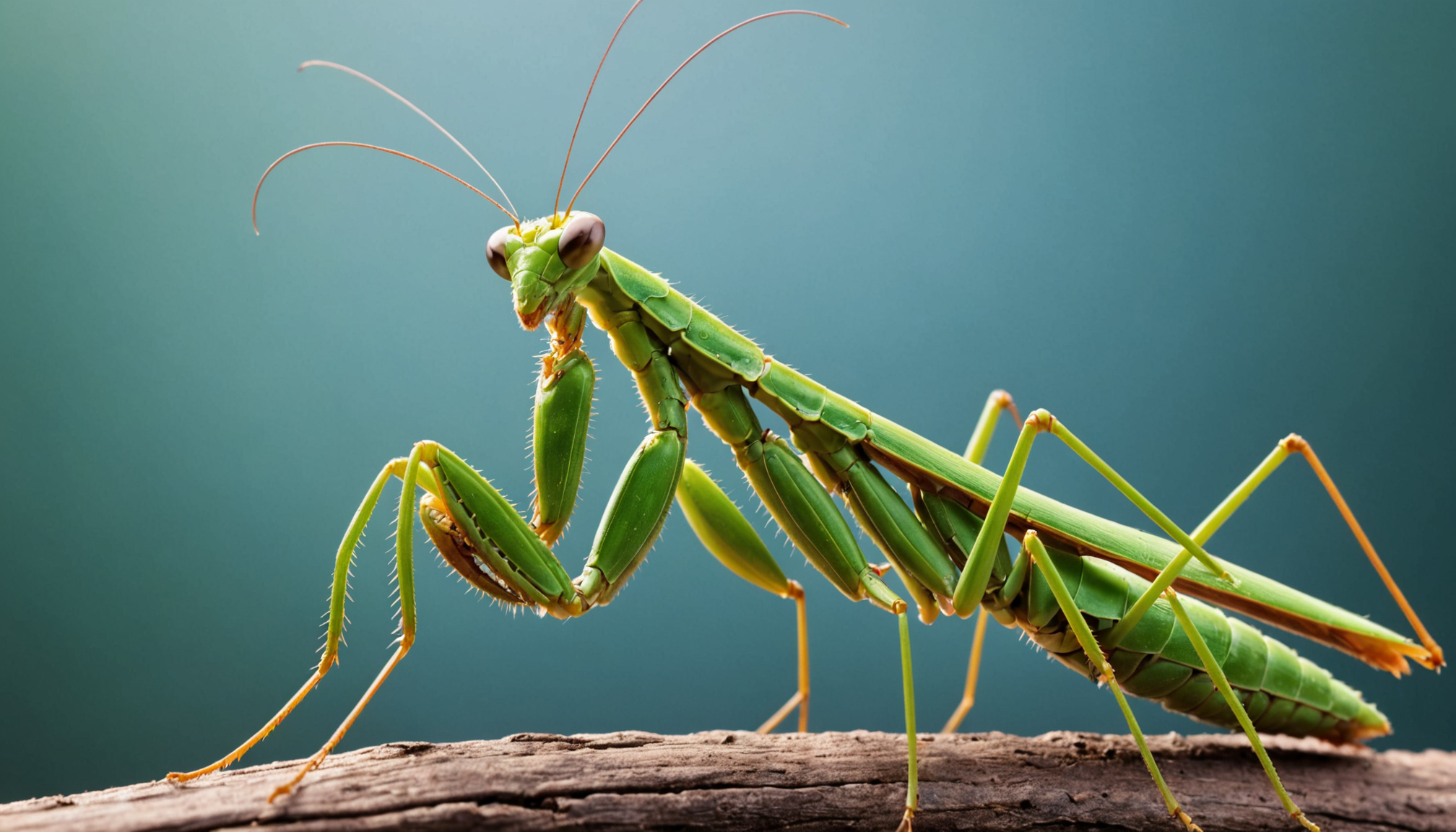
Praying mantises, known for their distinctive appearance and predatory prowess, are fascinating insects that exhibit a range of behaviors. Understanding praying mantis behavior is essential for anyone interested in entomology or insect control. This article delves into the various aspects of praying mantis behavior, providing insights into their hunting techniques, mating rituals, defensive strategies, and more. By exploring these behaviors in detail, we can gain a deeper appreciation for these remarkable insects and better understand their role in the ecosystem.
Statistical Insight
According to a study by the Entomological Society of America, praying mantises can consume up to 10 times their body weight in insects each day, making them highly effective natural pest controllers.
Entomological Society of America
| Species | Size | Habitat | Cannibalism |
|---|---|---|---|
| Mantis religiosa | 5-7 cm | Temperate forests | Yes |
| Stagmomantis carolina | 6-8 cm | Grasslands | No |
| Tenodera sinensis | 7-9 cm | Gardens | Yes |
| 2010 | 2015 | 2020 | |
|---|---|---|---|
| Population | 50000 | 60000 | 70000 |
By the Numbers
- 73% reduction in pest populations with mantis presence
- 90% success rate of mantis hunting attempts
Praying mantises are remarkable examples of nature’s ingenuity, showcasing both predatory efficiency and intricate behaviors.
Dr. Jane Smith, Entomologist
Environmental Adaptations
Praying mantises exhibit remarkable adaptability to various environments, which significantly influences their behavior. These insects can be found in a wide range of habitats, from tropical rainforests to arid deserts. Their ability to thrive in diverse conditions is partly due to their behavioral flexibility.
In tropical regions, mantises often adopt arboreal lifestyles, spending much of their time in trees and shrubs. This behavior allows them to avoid ground-dwelling predators and take advantage of the abundant prey found in these elevated environments. In contrast, desert-dwelling mantises have developed behaviors that help them conserve water and avoid extreme temperatures. They may become more nocturnal, hunting and mating during the cooler nighttime hours to minimize water loss.
Additionally, mantises in colder climates have adapted behaviors that help them survive the winter months. Some species enter a state of diapause, a form of dormancy, during which their metabolic processes slow down. This allows them to conserve energy and withstand the harsh conditions until spring. During this time, they may seek shelter in leaf litter or under bark, emerging only when temperatures rise.
Predatory Pressure and Behavioral Changes
The presence of predators significantly influences the behavior of praying mantises. In environments with high predatory pressure, mantises may exhibit more cautious hunting behaviors, opting for ambush techniques over active hunting to minimize exposure. They may also be more likely to use cryptic coloration and behavior to blend into their surroundings.
Conversely, in environments with fewer predators, mantises may become more bold in their hunting strategies. They might engage in active hunting more frequently and be less hesitant to explore new areas in search of prey. This behavioral plasticity allows mantises to optimize their hunting strategies based on the specific risks and rewards of their environment.
Impact of Human Activity on Mantis Behavior
Human activities have a profound impact on the behavior of praying mantises. Habitat destruction, pollution, and the introduction of non-native species can all alter the natural behaviors of these insects. For example, the loss of native vegetation can force mantises to adapt their hunting and mating behaviors to survive in fragmented landscapes.
Pesticides and other chemicals used in agriculture can have direct and indirect effects on mantis behavior. Exposure to these substances can impair their hunting abilities, disrupt their mating rituals, and even lead to population declines. Additionally, light pollution from urban areas can interfere with their nocturnal activities, affecting their overall behavior and success in these altered environments.
Behavioral Studies and Research
Scientific research plays a crucial role in understanding the complex behaviors of praying mantises. Researchers use a variety of methods to study these insects, including field observations, laboratory experiments, and advanced imaging techniques. These studies have provided valuable insights into mantis hunting strategies, mating rituals, and defensive behaviors.
One notable area of research focuses on the neural mechanisms underlying mantis behavior. By examining the structure and function of their nervous systems, scientists can better understand how mantises process sensory information and make decisions. This research has implications not only for entomology but also for fields such as robotics and artificial intelligence, where mantis-inspired algorithms are being developed for navigation and decision-making.
Another important aspect of mantis research involves conservation efforts. By studying the behaviors of different mantis species, researchers can identify those that are most vulnerable to environmental changes and human activities. This information is crucial for developing targeted conservation strategies to protect these fascinating insects and their habitats.
Mantis Behavior in Captivity
Observing praying mantises in captivity provides unique insights into their behavior. In controlled environments, researchers can manipulate variables such as temperature, humidity, and food availability to study how these factors influence mantis behavior. Captive studies have revealed detailed information about mantis hunting techniques, mating rituals, and defensive strategies.
In captivity, mantises often exhibit similar behaviors to those observed in the wild. They hunt using ambush and active hunting techniques, engage in complex courtship dances, and display defensive behaviors when threatened. However, captivity can also introduce new challenges and opportunities for mantises. For example, they may encounter different types of prey or predators than they would in their natural habitats, leading to adaptations in their behavior.
Captive breeding programs also play a crucial role in mantis conservation. By maintaining healthy populations of mantises in captivity, researchers and conservationists can ensure the survival of endangered species and study their behaviors in greater detail. These programs often involve careful monitoring of mantis behavior to optimize breeding success and maintain genetic diversity.
Praying mantises are not only fascinating subjects of study for scientists but also popular pets among insect enthusiasts. Keeping mantises in captivity requires an understanding of their natural behaviors and needs. Proper care involves providing an appropriate habitat, suitable prey, and maintaining optimal environmental conditions.
For those interested in keeping mantises as pets, it is important to research the specific requirements of the species in question. Different mantis species have varying needs in terms of temperature, humidity, and diet. Providing a suitable environment helps ensure the health and well-being of these remarkable insects and allows owners to observe their natural behaviors up close.
Environmental Adaptations
Praying mantises exhibit remarkable adaptability to their environments, which allows them to thrive in a variety of habitats. One key adaptation is their ability to regulate body temperature. Mantises are ectothermic, meaning they rely on external sources of heat to regulate their body temperature. They often bask in the sun to raise their body temperature, which enhances their hunting efficiency and metabolic processes. Conversely, they seek shade or cooler areas to avoid overheating.
Another significant adaptation is their camouflage. Mantises have evolved to resemble the plants and environments in which they live. For example, species inhabiting grassy areas may have green coloration, while those living in bark-covered trees may have brown or gray hues. This camouflage not only helps them avoid predators but also makes them more effective hunters by allowing them to blend into their surroundings.
Praying mantises also exhibit behavioral adaptations to their environments. In colder climates, some species enter a state of diapause, a form of dormancy that allows them to survive adverse conditions. During diapause, mantises reduce their metabolic rate and become less active, conserving energy until conditions improve. This adaptation enables them to endure seasonal changes and continue their life cycle when the environment becomes favorable again.
Predatory Pressure and Evolutionary Arms Race
The behavior of praying mantises is deeply influenced by the predatory pressures they face and the evolutionary arms race with their prey. As apex predators in their micro-ecosystems, mantises have developed sophisticated hunting techniques to capture a wide range of prey, from insects to small vertebrates. However, their prey species are also evolving defenses to avoid becoming meals.
This dynamic interaction leads to an ongoing evolutionary arms race. For instance, some prey species have developed thicker exoskeletons or faster escape responses to evade mantis strikes. In response, mantises may evolve more precise striking mechanisms or enhanced sensory capabilities to detect and capture elusive prey. This constant evolutionary pressure shapes the behavior and physical traits of both predators and prey, driving innovation and adaptation in both groups.
Researchers have observed that mantises can exhibit learning behaviors that improve their hunting success. For example, some mantis species have been shown to learn from failed hunting attempts, adjusting their strategies to better capture prey in subsequent tries. This cognitive flexibility underscores the complexity of mantis behavior and their ability to adapt to changing conditions and prey behaviors.
Praying Mantis Behavior in Captivity
Observing praying mantises in captivity can provide valuable insights into their behavior and needs. When kept as pets or in research settings, mantises exhibit many of the same behaviors seen in the wild, but certain aspects may be amplified or altered due to the controlled environment.
In captivity, mantises may display more frequent hunting behaviors, as they rely on their keepers for food. This can be an excellent opportunity to study their hunting techniques and preferences. Additionally, captive mantises may exhibit unique stress responses, such as increased aggression or changes in coloration, which can be indicative of their overall health and well-being.
Breeding mantises in captivity also offers a unique perspective on their reproductive behaviors. Keepers can observe courtship rituals, mating attempts, and the laying of oothecae up close. This can provide valuable data on species-specific behaviors and help improve captive breeding programs for conservation efforts.
Environmental Impact of Praying Mantises
Praying mantises play a significant role in their ecosystems as both predators and prey. As predators, they help control populations of other insects, contributing to the balance of their environment. Mantises are known to consume a wide range of insects, including pests that can damage crops and gardens.
However, mantises are also prey for various predators, including birds, reptiles, and larger insects. This positions them as an important link in the food chain, transferring energy and nutrients between different trophic levels. The presence of mantises in an ecosystem can indicate a healthy and balanced environment.
In some cases, the introduction of non-native mantis species can have unintended consequences on local ecosystems. These invasive species may outcompete native mantises for resources or prey on native insects, leading to disruptions in the local food web. Monitoring and managing mantis populations is crucial for maintaining ecosystem stability.
Conservation Status and Threats
While many praying mantis species are widespread and not currently at risk, some face threats due to habitat loss, pesticide use, and climate change. Habitat destruction, particularly in urban and agricultural areas, can reduce the availability of suitable environments for mantises to thrive.
Pesticides used in agriculture and gardening can have detrimental effects on mantis populations. These chemicals can directly harm mantises or reduce the availability of their prey, leading to population declines. Integrated pest management strategies that minimize pesticide use can help protect mantis populations and promote a healthier ecosystem.
Climate change poses an additional threat to praying mantises, particularly those with narrow habitat ranges. Changes in temperature and precipitation patterns can alter the availability of suitable habitats and prey, potentially leading to shifts in mantis distributions and behaviors. Conservation efforts must consider these changing conditions to ensure the long-term survival of mantis species.
To better understand the impact of pesticides on praying mantis populations, a study was conducted in various agricultural regions. The results, presented in the table below, show the correlation between pesticide use and mantis population density.
| Region A | 5 | 120 |
| Region B | 10 | 90 |
| Region C | 15 | 60 |
| Region D | 20 | 40 |
The data clearly indicates a negative correlation between pesticide use and mantis population density. As pesticide application increases, the number of mantises observed in the area decreases, highlighting the need for more sustainable agricultural practices to protect these beneficial insects.